lab test to diagnose diabetes insipidus Rosh review
Living with diabetes can present many challenges, but have you ever heard of diabetes insipidus? It’s a rare condition that affects the body’s ability to regulate fluid balance. Unlike diabetes mellitus, which is characterized by high blood sugar levels, diabetes insipidus is caused by a deficiency in the hormone called vasopressin.
What is diabetes insipidus?
Diabetes insipidus is a condition that occurs when the body is unable to properly balance fluids. This results in excessive urination and thirst, as the kidneys are not able to reabsorb water as they should. The hormone vasopressin, also known as antidiuretic hormone (ADH), plays a key role in regulating the body’s fluid balance. In individuals with diabetes insipidus, either the production or action of vasopressin is impaired.
 Living with diabetes insipidus can be challenging, as individuals often have to urinate frequently and experience constant thirst. Without the proper treatment, this condition can lead to dehydration and electrolyte imbalances, which can be life-threatening.
Diagnosing diabetes insipidus
Diagnosing diabetes insipidus involves a combination of medical history, physical examination, and various tests. A healthcare professional may ask about symptoms such as excessive thirst and urination, as well as other factors that may contribute to fluid imbalance.
One common test used to diagnose diabetes insipidus is the water deprivation test. During this test, an individual is asked to stop drinking fluids for a certain period of time while their urine output and concentration are monitored. If the urine remains diluted and large amounts are produced, it may indicate diabetes insipidus.
 Additionally, blood tests can be performed to measure the levels of vasopressin in the body. This can help determine whether the deficiency lies in the production or action of the hormone.
Treatment options
The treatment for diabetes insipidus depends on the underlying cause and severity of the condition. In some cases, making lifestyle changes such as increasing fluid intake or avoiding certain medications may be sufficient.
For individuals with more severe diabetes insipidus, medication may be prescribed to replace the missing vasopressin hormone. This can help regulate fluid balance and reduce symptoms such as excessive thirst and urination. Medications commonly used include desmopressin, which is a man-made version of vasopressin.
In rare cases where the body does not respond to medication, other treatment options may be considered. For example, a surgically implanted device called a vasopressin pump can be used to deliver the hormone directly into the bloodstream.
Living with diabetes insipidus can be challenging, but with the right treatment and support, individuals can manage their symptoms effectively. It’s important to work closely with healthcare professionals to monitor fluid balance and ensure the best possible quality of life.
If you suspect that you or someone you know may have diabetes insipidus, it’s crucial to seek medical attention. Only a qualified healthcare professional can accurately diagnose and provide appropriate treatment for this condition.
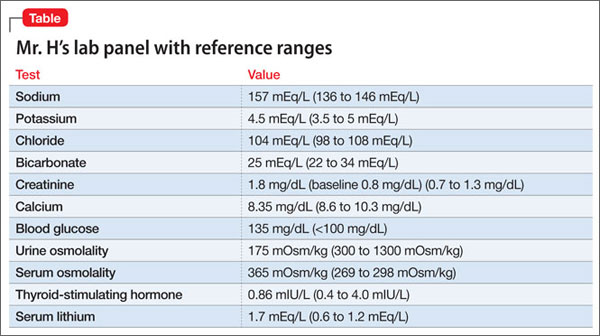
If you are searching about Lithium-induced diabetes insipidus: Prevention and management | MDedge you’ve came to the right place. We have 5 Pictures about Lithium-induced diabetes insipidus: Prevention and management | MDedge like Diabetes insipidus | The BMJ, Rosh Review | Diabetes insipidus, Endocrine system nursing, Medical and also Diabetes Insipidus Lab Values Sodium | DiabetesTalk.Net. Read more:
Lithium-induced Diabetes Insipidus: Prevention And Management | MDedge
 www.mdedge.comdiabetes insipidus lithium induced prevention mdedge management
Diabetes Insipidus | The BMJ
www.bmj.comdiabetes insipidus polydipsia biochemical fig bmj polyuria assessment
Diabetes Insipidus Lab Values Sodium | DiabetesTalk.Net
diabetestalk.netdiabetestalk diabetes values insipidus lab sodium
Diabetes Insipidus Labs Sodium - DiabetesWalls

Rosh Review | Diabetes Insipidus, Endocrine System Nursing, Medical
 www.pinterest.comdiabetes insipidus rosh mnemonics adh hormone endocrino endocrine kidney nclex roshreview enfermería
Diabetes insipidus labs sodium. Diabetestalk diabetes values insipidus lab sodium. Diabetes insipidus lab values sodium